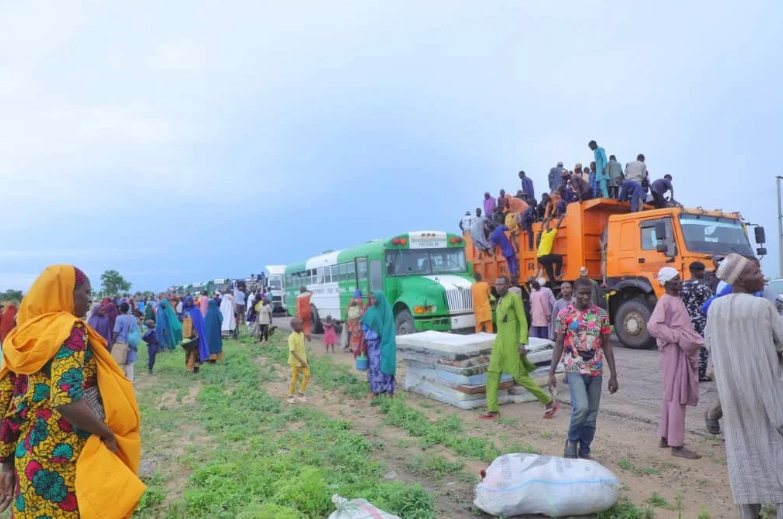
Displacement can begin suddenly, but finding a path out of displacement is often a long and complex process. For refugees, internally displaced persons (IDPs), returnees, and other displaced populations, returning to a stable and secure life requires more than temporary shelter or emergency assistance.
A durable solution is about creating the conditions that allow displaced people to rebuild their lives in safety, dignity, and with sustainable access to opportunities and essential services.
For Nigeria, where displacement continues to affect individuals and communities, understanding durable solutions is essential to developing responses that move beyond immediate humanitarian needs toward long-term recovery and stability.
What Are Durable Solutions?
Durable solutions are long-term approaches that enable displaced people to resolve their displacement and rebuild their lives in a sustainable manner.
The objective is not simply to move someone from one location to another. A successful durable solution should enable people to live safely, restore their livelihoods, access essential services, exercise their rights, and participate meaningfully in their communities.
For displaced populations, durable solutions generally involve three internationally recognized pathways:
Voluntary repatriation and reintegration
Local integration
Resettlement
For internally displaced persons, solutions may also involve return, local integration, or settlement elsewhere within their country, depending on their circumstances and preferences.
Why Durable Solutions Matter
Emergency assistance is critical during displacement. People may immediately need food, water, shelter, healthcare, protection, and other essential services.
However, prolonged dependence on emergency assistance is not a sustainable outcome.
People need opportunities to restore their livelihoods, reconnect with their communities, educate their children, access healthcare, obtain appropriate documentation, and participate in economic and social life.
Durable solutions therefore help shift the focus from:
"How do we respond to displacement?"
to:
"How do we help people rebuild stable and dignified lives?"
This shift is an important part of sustainable displacement management.
1. Voluntary Repatriation and Reintegration
For refugees who have fled across an international border, voluntary repatriation involves returning to their country of origin when conditions allow them to do so safely and voluntarily.
The decision to return should be informed and made without coercion.
But returning home is only the beginning.
Successful reintegration requires people to be able to rebuild their lives after returning. They may need support with:
Housing and shelter
Documentation
Access to healthcare
Education
Livelihoods
Family reunification
Community acceptance
Infrastructure
Safety and security
The goal is for returnees to become part of their communities again rather than remaining dependent on temporary assistance.
2. Local Integration
Not every displaced person will be able or willing to return to their place of origin.
Local integration provides another pathway, allowing displaced people to establish a sustainable life in the community where they currently reside.
This can involve access to:
Employment and livelihoods
Education
Healthcare
Housing
Legal documentation
Social services
Community participation
Economic opportunities
Local integration also requires consideration of host communities.
When displaced populations and host communities have access to appropriate resources and opportunities, it can reduce tensions, strengthen social cohesion, and create conditions for shared development.
3. Resettlement
Resettlement involves the transfer of refugees from the country where they initially sought protection to another country that has agreed to admit them and provide protection.
It is an important pathway for refugees who may face particular protection concerns or who cannot safely return home or sustainably remain in their current location.
Because resettlement opportunities are limited, it is not an option available to every displaced person.
It is therefore important for displacement responses to consider a range of solutions based on individual circumstances.
Durable Solutions for Internally Displaced Persons
For internally displaced persons, durable solutions take place within the borders of their own country.
An IDP may eventually:
Return to their place of origin,
Integrate locally in the community where they have been displaced, or
Settle elsewhere within the country.
The most appropriate option depends on factors such as safety, access to basic services, livelihood opportunities, housing, community conditions, and the individual's or family's preferences.
A return should not be considered sustainable simply because someone has physically gone back to their former community.
The conditions surrounding the return matter.
What Makes a Solution Sustainable?
A durable solution should address more than physical relocation.
A person may return home but still face insecurity, lack of housing, unemployment, limited access to education, or difficulty obtaining documentation.
For a solution to be sustainable, displaced people should progressively be able to enjoy conditions that allow them to rebuild their lives without remaining dependent on humanitarian assistance.
Important factors include:
Safety and Security
People need to feel safe in the communities where they live. Returning to an unsafe environment does not create a meaningful solution to displacement.
Access to Basic Services
Healthcare, education, clean water, sanitation, housing, and other essential services are important foundations for stable communities.
Livelihoods and Economic Opportunities
People need opportunities to earn an income and provide for their families. Skills development, employment, entrepreneurship, agriculture, and access to markets can all contribute to economic recovery.
Documentation and Legal Identity
Appropriate documentation can help people access services, education, employment, financial systems, and other opportunities.
Social Cohesion
Successful reintegration requires relationships between displaced populations, returnees, and host communities. Community engagement and conflict-sensitive approaches can help strengthen trust and reduce tensions.
Participation
Displaced people should have a meaningful voice in decisions affecting their future. Durable solutions are more sustainable when affected communities participate in planning and implementation.
The Role of Livelihoods in Durable Solutions
Economic stability is one of the strongest foundations for rebuilding a life after displacement.
A person who has access to employment, a business, productive assets, or other sustainable income opportunities is better positioned to meet household needs and participate in community life.
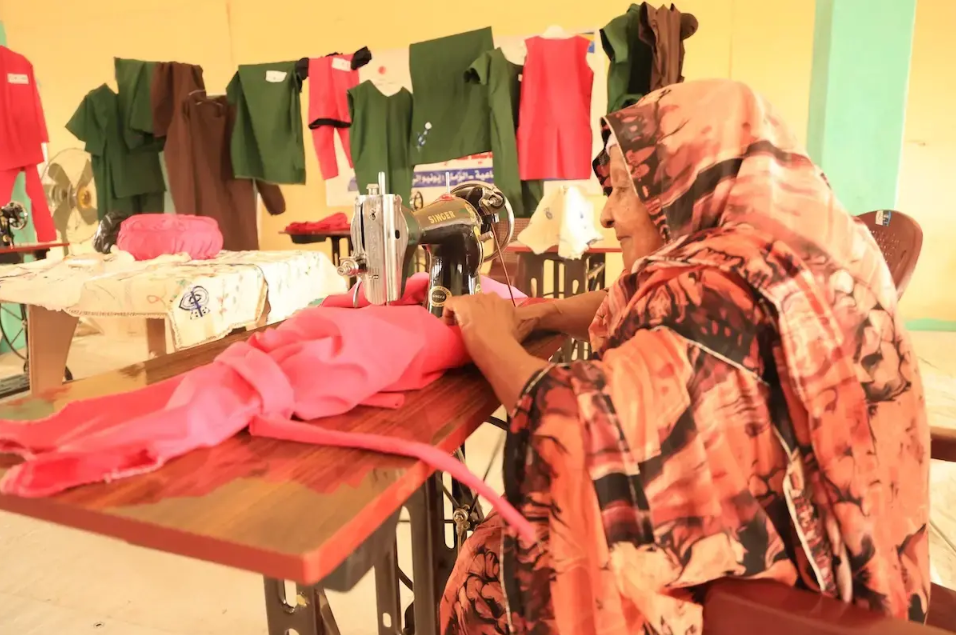
This is why livelihood programmes can complement durable solutions through:
Vocational training
Entrepreneurship development
Agricultural support
Financial literacy
Access to finance
Business development
Market linkages
Employment opportunities
Economic empowerment does not solve every challenge associated with displacement, but it can significantly strengthen a person's ability to achieve greater independence.
The Importance of Host Communities
Durable solutions should not focus exclusively on displaced populations.
Host communities often provide land, shelter, social networks, services, and economic opportunities to displaced people. In situations where resources are limited, however, prolonged displacement can also place pressure on local infrastructure and services.
Including host communities in development and livelihood interventions can help create more sustainable outcomes.
When communities benefit from improved infrastructure, economic opportunities, education, healthcare, and other services, both displaced and host populations can have greater opportunities to thrive together.
Partnerships and Coordination
Durable solutions require cooperation among many stakeholders.
Government institutions, humanitarian organizations, development partners, civil society organizations, local communities, international organizations, and the private sector can each contribute different expertise and resources.
Effective coordination can help ensure that humanitarian assistance, development programmes, protection activities, and livelihood interventions work toward complementary objectives.
For NCFRMI, partnerships and collaboration are important components of addressing the needs of refugees, migrants, returnees, and internally displaced persons while supporting sustainable solutions. NCFRMI Official Website
Moving From Assistance to Recovery
The journey from displacement to stability is rarely immediate.
It can involve several stages:
Emergency Response → Recovery → Empowerment → Reintegration → Sustainable Stability
Each stage requires different forms of support.
Emergency assistance may address immediate survival needs, while recovery programmes can help restore housing, livelihoods, education, and essential services. Empowerment initiatives can then strengthen people's capacity to become more self-reliant and participate fully in their communities.
This is why durable solutions should be viewed as a long-term process rather than a single intervention.
Measuring Progress Toward Durable Solutions
Understanding whether a durable solution is working requires more than counting the number of people who have returned or relocated.
It is also important to consider questions such as:
Are people safe?
Do they have adequate housing?
Can children access education?
Can families access healthcare?
Do people have sustainable livelihoods?
Do they have appropriate documentation?
Are they accepted within their communities?
Can they participate in social and economic life?
Are they able to meet their needs without prolonged humanitarian assistance?
These indicators provide a clearer picture of whether people are genuinely rebuilding stable lives.
Conclusion
The journey from displacement to stability requires more than a change of location.
Whether the pathway involves return and reintegration, local integration, resettlement, or another sustainable settlement option, the ultimate objective should be to enable displaced people to live safely, rebuild their livelihoods, access essential services, participate in their communities, and regain control over their futures.
Durable solutions require patience, coordination, resources, and meaningful participation from the people directly affected by displacement.
Most importantly, they require a shift in perspective—from seeing displaced people only as recipients of assistance to recognizing them as individuals and communities with skills, aspirations, rights, and the capacity to contribute to their own recovery.
When protection, livelihoods, services, community participation, and sustainable opportunities come together, displacement can become a pathway toward recovery, resilience, and renewed stability.
Comments (0)

Categories
Recent posts
From Displacement to Stability: ...
16 Aug 2026